
Pay Bill

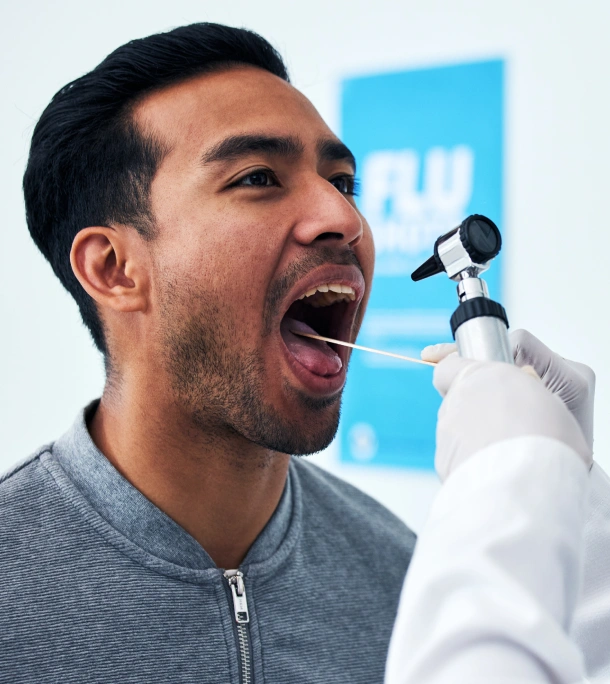
Understanding Oral Cancer and Its Risks
Oral cancer refers to abnormal growths in the lips, tongue, mouth, and throat that can spread to other parts of the body. It is one of the deadliest cancers, often going unnoticed until it reaches advanced stages, making early detection crucial for successful treatment.
Statistics highlight the severe consequences of undiagnosed oral cancer:
- Around 100 people in the U.S. are diagnosed with oral cancer every day.
- One person dies from oral cancer every hour in the United States.
- Of those who die, 70% were not screened regularly and were diagnosed at later, more advanced stages.
- Approximately 25% of oral cancer patients have no known risk factors, making regular screenings essential for everyone.
- Late-stage oral cancer can lead to severe facial deformities and significant functional impairments.
Risk Factors for Oral Cancer
Oral cancer can affect anyone, but certain factors increase the risk. These include:
- Tobacco use: Smoking or chewing tobacco at any age.
- Excessive alcohol consumption.
- Marijuana use.
- Age: People over 40 are at a higher risk.
- Gender: Men are twice as likely to develop oral cancer than women.
- HPV (Human papillomavirus) infection: Particularly the HPV 16/18 strains, which are sexually transmitted.
- A personal history of oral cancer or precancerous lesions.
Even if you have no known risk factors, regular screening is crucial. 25% of oral cancer cases occur in people without obvious risk factors.
Why Early Detection of Oral Cancer Matters
Oral cancer is 90% curable when detected early. However, once it progresses to later stages, treatment becomes more difficult and less successful. That's why early detection through regular oral cancer screenings is essential for preserving both your health and quality of life.
If you're at risk due to any of the factors mentioned or simply want to ensure your oral health, schedule a screening with us at Highbridge Dental Associates. Regular screenings during your dental checkups can help identify potential issues before they become serious.
Take Action for Your Oral Health Today
Oral cancer can affect anyone, even those without any obvious risk factors. By scheduling regular screenings, you’re taking an important step in maintaining your overall health. At Highbridge Dental Associates, we prioritize early detection and offer thorough, state-of-the-art screenings using advanced tools like the ViziLite Plus T Blue system. With our experienced team by your side, you’ll receive the best possible care and peace of mind knowing that potential issues are being caught early.
If you’re due for a check-up or concerned about your oral health, contact us today to schedule your oral cancer screening.
How We Screen for Oral Cancer
At Highbridge Dental Associates, we believe in thorough oral cancer screenings. While a standard visual exam can identify some early lesions, it is often insufficient on its own. For better accuracy, we supplement the visual examination with advanced diagnostic technology.
We use the ViziLite Plus T Blue detection system, which is approved by the American Dental Association (ADA). This process involves the following steps:

Visual examination
Our dentist carefully inspects your mouth, lips, tongue, and throat for any unusual changes.
1
ViziLite Plus T Blue system
We use a safe, non-toxic blue dye that helps highlight abnormal tissue. The dye is only retained on active cell lesions, which are then flagged for further evaluation.
1
Follow-up
Any suspicious areas are monitored, biopsied, or referred to a specialist if necessary.
1
This combined approach ensures that potential problems are detected early and treated promptly, increasing the likelihood of a positive outcome.
Frequently Asked Questions
How often should I get an oral cancer screening?
If you're at high risk (e.g., tobacco use, excessive alcohol consumption), we recommend annual screenings. Otherwise, screenings are typically included in your regular dental check-ups every six months.
Are oral cancer screenings painful?
No, oral cancer screenings are quick and non-invasive. The ViziLite Plus system is comfortable, and there’s no need for anesthesia or pain during the procedure.
Can an oral cancer screening detect other problems?
Yes, during the screening, we check for signs of oral cancer as well as other potential issues like gum disease, cavities, or signs of infection.
Is oral cancer only caused by smoking?
No, while tobacco use is a significant risk factor, oral cancer can also be caused by alcohol, HPV, or even by genetics, which is why screenings are essential for everyone.
What happens if a lesion is detected during my screening?
If we find a suspicious area, we may conduct further testing, such as a biopsy, to confirm whether it's cancerous. Early detection allows for better treatment options.
New Patients & Emergency Appointments Welcome