
Pay Bill

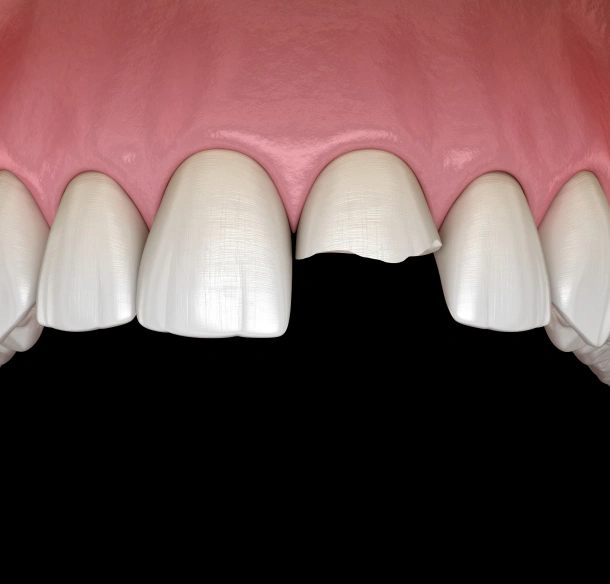
What is a Chipped Tooth?
A chipped or fractured tooth is more than a cosmetic concern, it can weaken the tooth structure, cause sensitivity, and lead to deeper damage if left untreated. Everyday activities like chewing hard foods, teeth grinding, or accidental trauma can cause enamel to break or crack. While some chips are minor, others may extend deeper, exposing the tooth to decay, infection, or further fractures. Seeking timely treatment helps preserve the tooth and prevent complications.
At Highbridge Dental Associates, we provide prompt evaluation and gentle care for chipped, cracked, and broken teeth. Our goal is to protect the damaged tooth, restore function, and prevent the problem from progressing.
Types of Tooth Fractures
If you suffer a chipped tooth, broken tooth, cracked tooth, or split tooth, you should seek care immediately. We will provide guidance for immediate at-home precautions and arrange treatment to protect the tooth as quickly as possible.
There are numerous types of tooth fractures (cracks) and breaks, including:
- Chipped Tooth
- Broken Tooth or Broken Tooth Cusp
- Cracked Tooth
- Horizontally Cracked Tooth
- Whole Tooth Crack
- Vertical or Split Root Break
- Split Tooth
- Decay Induced Break
Signs & Symptoms
Many factors can lead to tooth fractures. Biting into hard foods, sudden impact, or weakened enamel from decay or grinding are common triggers. Nighttime clenching, temperature changes, or worn restorations can also make teeth more vulnerable. Even small chips may worsen over time, which is why early assessment is important.
You may experience one or more of the following:
- Sharp edges that irritate the cheek or tongue
- Sensitivity to heat, cold, or sweet foods
- Discomfort or pain when biting
- Visible missing enamel or rough texture
- Pain when chewing or pressure is applied
Treatment for Chipped Tooth
Treatment depends on the size and depth of the fracture. We will examine your tooth, take necessary imaging, and recommend a suitable restoration to protect and rebuild the damaged area. Our goal is to restore both strength and appearance with durable, natural-looking results.
Options may include:
- Bonding or Tooth-Colored Filling for minor chips
- Crown Placement when a larger portion of structure needs protection
- Inlays/Onlays when the damage is moderate
- Root Canal Therapy if cracks extend into the pulp or infection develops
- Extraction only when the tooth cannot be saved
Prevention & After-Care
Using a nightguard for grinding, avoiding biting on hard foods, and maintaining regular dental visits can help prevent chips and fractures. Good oral hygiene also keeps enamel strong and resilient.
A chipped tooth rarely heals on its own. Delaying care may lead to deeper cracks, sensitivity, or even infection. Contact us promptly if you notice discomfort, sharp edges, or visible damage. If your tooth has chipped or cracked, reach out to Highbridge Dental Associates to schedule an appointment and receive guidance for immediate care and long-term protection.
Frequently Asked Questions
Will a chipped tooth get worse without treatment?
It can. Small chips may deepen or spread, leading to sensitivity or decay. Addressing the damage early prevents the need for more complex restorative procedures later.
Can a chipped tooth be fixed in one visit?
Many minor chips can be repaired with bonding or fillings in a single appointment. Larger fractures may require crowns or additional visits depending on the severity.
Is sensitivity normal after a chip?
Yes, exposed dentin can react to temperature or pressure until restored. Once the tooth is repaired, sensitivity typically reduces or resolves completely.
Can I eat normally after chipping a tooth?
Avoid chewing on the damaged area until it is examined and repaired. Soft foods are recommended temporarily to prevent further cracking.
Will the repair match my tooth color?
Yes. Restorations are shade-matched for a natural result. Tooth-colored materials blend seamlessly so the repair is often unnoticeable.
New Patients & Emergency Appointments Welcome