
Pay Bill

What Happens During a Root Canal Procedure?

Hearing the words “root canal” can make some people nervous. For years, root canals have had a reputation for being uncomfortable or intimidating. In reality, modern dental care has made the procedure much smoother, faster, and far less stressful than many patients expect.
A root canal is designed to save a damaged or infected tooth while relieving pain and protecting your overall oral health. Instead of removing the tooth completely, your dentist carefully treats the inside of the tooth so you can keep your natural smile intact.
Patients seeking Root Canal Therapy in Fayetteville are surprised by how straightforward the process actually is. With today’s advanced techniques and local anesthesia, most people compare the experience to getting a routine filling
If you’ve been told you may need a root canal, understanding the process can help ease anxiety and prepare you for treatment.
Why Would Someone Need a Root Canal?
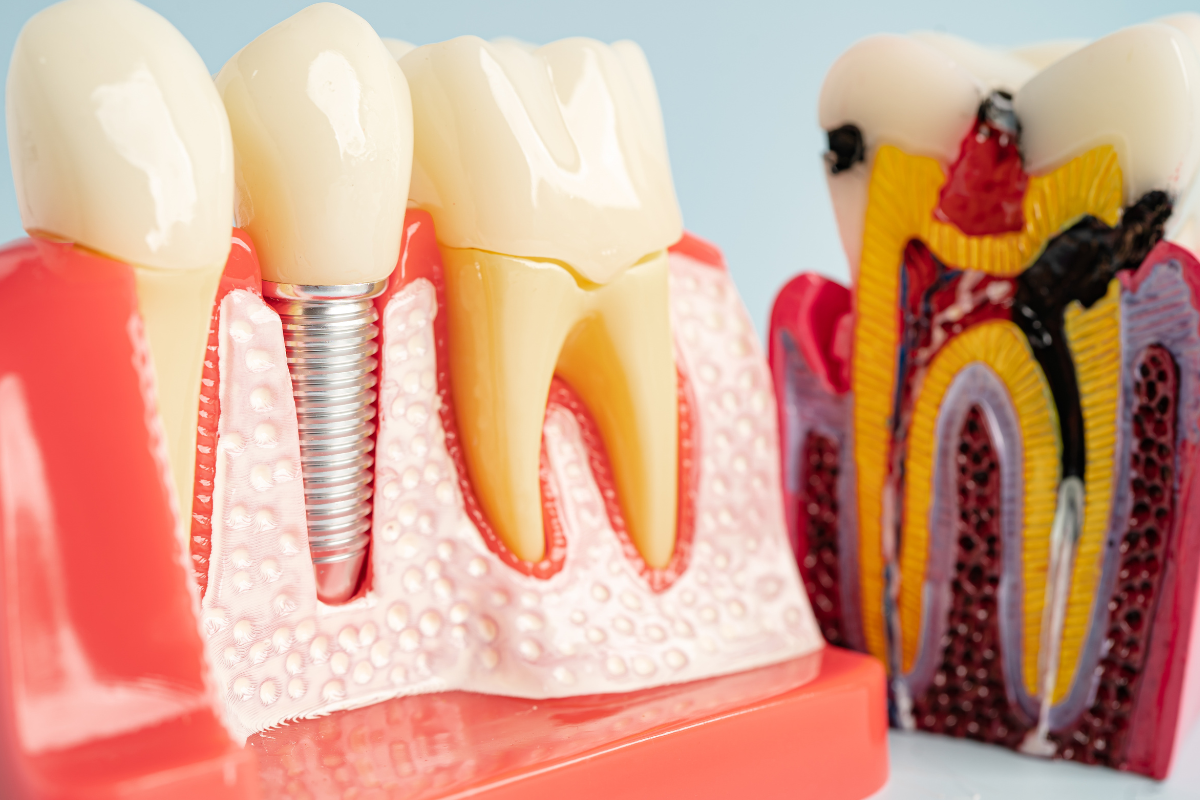
Inside every tooth is a soft tissue called pulp. This pulp contains nerves and blood vessels that help the tooth develop. When the pulp becomes infected or inflamed, it can cause severe discomfort and eventually lead to tooth loss if left untreated.
Common reasons a root canal may be needed include:
- Deep tooth decay
- A cracked or chipped tooth
- Repeated dental procedures on the same tooth
- Trauma or injury to the tooth
- Untreated cavities
- Infection spreading to the tooth root
Some symptoms that may indicate a problem include:
- Persistent tooth pain
- Sensitivity to hot or cold
- Swollen gums
- Pain when chewing
- Darkening of the tooth
- A small bump on the gums near the affected tooth
If you notice these signs, scheduling a dental evaluation early can often prevent the issue from worsening.
Step-by-Step: What Happens During the Procedure?
Understanding each stage of treatment can make the process feel much less overwhelming.
1. Examination and Digital X-Rays
Your dentist begins by examining the affected tooth and taking digital X-rays. These images help identify the extent of the infection and determine whether the surrounding bone has been affected.
At Highbridge Dental Associates, careful planning helps ensure precise and comfortable treatment.
2. Numbing the Area
Before treatment begins, local anesthesia is used to fully numb the tooth and surrounding area. Most patients feel little to no pain during the procedure itself.
In fact, many people feel immediate relief once the infected pulp is removed because the source of the pain is being treated.
3. Placing a Protective Dental Dam
A small protective sheet called a dental dam is placed around the tooth. This keeps the area clean and dry throughout the procedure.
4. Removing the Infected Pulp
Your dentist creates a small opening in the tooth to access the infected pulp inside. Specialized dental instruments are then used to carefully clean out the damaged tissue and bacteria from the root canals.
This step is extremely important because it removes the infection and prevents it from spreading further.
5. Cleaning and Shaping the Canals
Once the infected material is removed, the inside of the tooth is disinfected and shaped. The canals are carefully cleaned to reduce the risk of future infection.
Modern dental technology allows this process to be highly precise and efficient.
6. Filling the Tooth
After cleaning, the empty canals are filled with a biocompatible material that helps seal the tooth and protect it from bacteria.
A temporary filling may be placed until the final restoration is completed.
7. Restoring the Tooth
In many cases, a dental crown is recommended after a root canal. The crown strengthens the tooth and restores normal chewing function.
Since treated teeth can become more fragile over time, the crown helps protect against fractures and long-term damage.
Does a Root Canal Hurt?
This is one of the most common questions patients ask.
The truth is that root canals are performed to relieve pain, not cause it. Thanks to modern anesthetics and improved techniques, the procedure is typically no more uncomfortable than getting a cavity filled.
Some mild soreness afterward is normal, but it usually fades within a few days and can often be managed with over-the-counter medication.
How Long Does Recovery Take?
Most patients return to work, school, or regular activities the next day.
To help recovery go smoothly:
- Avoid chewing on the treated tooth until fully restored
- Brush and floss gently
- Take medications exactly as directed
- Attend follow-up appointments
- Avoid very hard or sticky foods temporarily
Good aftercare plays a major role in protecting the treated tooth for years to come.
Why Saving Your Natural Tooth Matters
Whenever possible, preserving your natural tooth is usually the best option for your oral health.
Benefits of root canal treatment include:
- Relief from dental pain
- Preservation of natural chewing ability
- Maintaining normal bite alignment
- Preventing nearby teeth from shifting
- Protecting jawbone structure
- Restoring comfort and confidence
A properly treated and restored tooth can often last for many years with routine dental care.
Local Dental Care That Feels Comfortable
People in the Fayetteville area often lead busy lives between work, school schedules, family responsibilities, and community activities. Dental pain can quickly disrupt everyday routines and make even simple tasks uncomfortable.
That’s why timely care matters. Whether someone is dealing with sudden tooth pain before a weekend event or trying to avoid missing workdays, prompt treatment can make a major difference in comfort and long-term oral health.
Choosing a trusted local dental team also means easier follow-up care, familiar faces, and personalized treatment recommendations designed around your needs.
Many patients looking for Root Canal Therapy in Fayetteville appreciate having access to compassionate care close to home without needing to travel far for treatment.
Tips to Avoid Future Root Canal Problems
While not every dental issue can be prevented, healthy habits can reduce the risk significantly.
Here are a few simple ways to protect your teeth:
- Brush twice daily with fluoride toothpaste
- Floss every day
- Visit your dentist regularly
- Treat cavities early
- Wear a mouthguard during sports
- Avoid chewing ice or very hard foods
- Don’t ignore tooth pain or sensitivity
Preventive care often helps catch small problems before they turn into serious infections.
Schedule Your Dental Evaluation
Tooth pain should never be ignored. Early treatment can often save your tooth, relieve discomfort, and prevent more extensive dental problems later on.
At Highbridge Dental Associates, patients receive personalized care in a welcoming environment focused on comfort and long-term oral health. If you’re experiencing tooth pain, sensitivity, or signs of infection, scheduling an evaluation can help you take the next step toward relief.
Frequently Asked Questions
How long does a root canal procedure take?
Most root canals take between 60 and 90 minutes, depending on the tooth and severity of the infection.
Will I need a crown afterward?
In many cases, yes. A crown helps strengthen and protect the treated tooth, especially for molars.
Can I drive home after the procedure?
Yes, most patients can safely drive themselves home unless sedation is used.
Is it better to remove the tooth instead?
Saving the natural tooth is usually the preferred option whenever possible because it helps maintain normal oral function and alignment.
How successful are root canals?
Root canal procedures have a very high success rate when performed properly and followed by good oral hygiene and regular dental visits.


New Patients & Emergency Appointments Welcome