
Pay Bill

How Dental Implants Protect Your Jawbone and Support Long-Term Oral Health

Losing a tooth affects much more than your smile. While many people focus on the visible gap, the real changes often happen beneath the surface. When a tooth is missing, the jawbone in that area no longer receives the stimulation it needs to stay strong. Over time, the bone begins to shrink, which can change your facial appearance and make future dental treatment more challenging.
Understanding how dental implants work can help you make an informed decision about replacing missing teeth before bone loss becomes a bigger concern.
After the first few months following tooth loss, the jawbone naturally starts to lose density because it is no longer supporting a tooth root. If you’re considering Dental Implants in Fayetteville, it’s worth knowing that implants are the only tooth replacement option designed to replace both the visible tooth and its root, helping maintain healthy bone structure for years to come.
At Highbridge Dental Associates, we believe replacing a missing tooth is about more than restoring your smile—it’s about protecting your long-term oral health. Our team takes a personalized approach to implant treatment, using advanced technology and careful planning to help patients regain confidence while preserving the strength and health of their jawbone for years to come.
Why Does the Jawbone Shrink After Tooth Loss?
Healthy teeth do more than help you chew. Every bite sends gentle pressure through the tooth roots into the jawbone, keeping the bone active and healthy.
When a tooth is lost:
- The bone no longer receives regular stimulation.
- The body begins to reabsorb unused bone tissue.
- Bone height and width gradually decrease.
- Neighboring teeth may begin shifting.
- Changes in facial shape can become noticeable over time.
This process is called bone resorption, and it can begin within months after losing a tooth.
How Dental Implants Help Preserve Bone
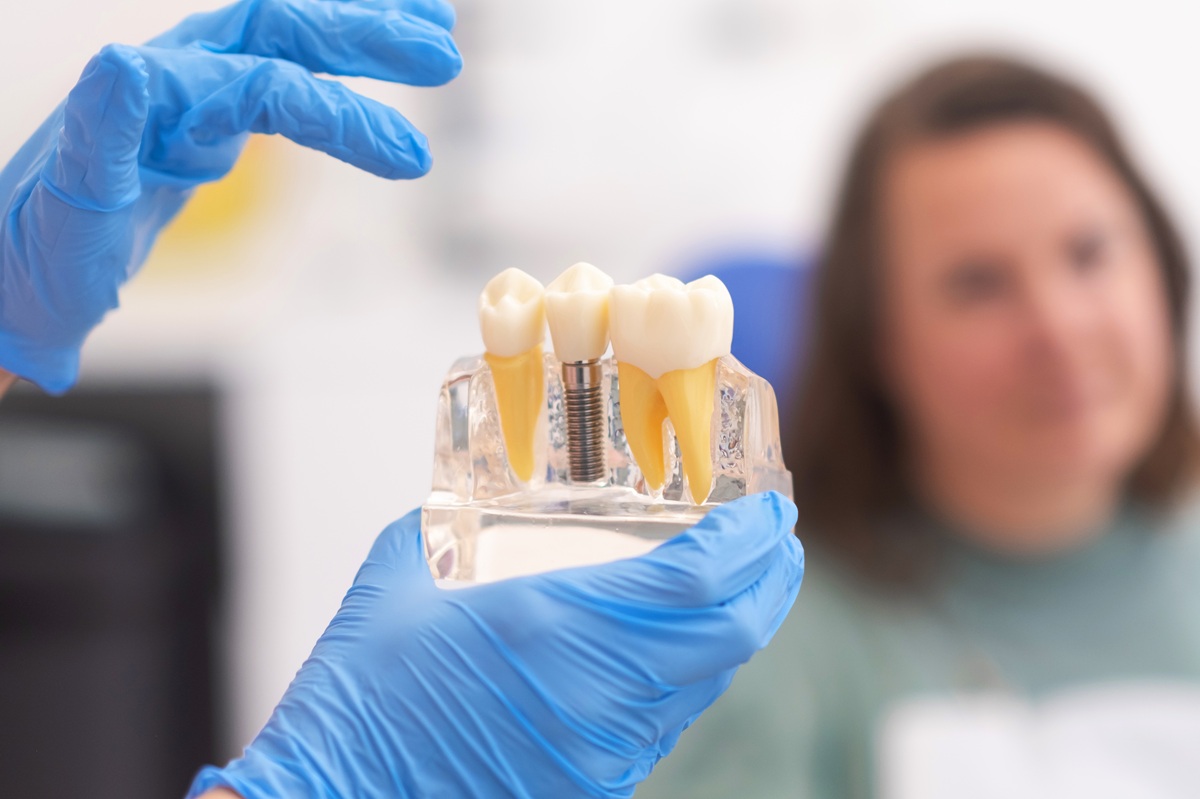
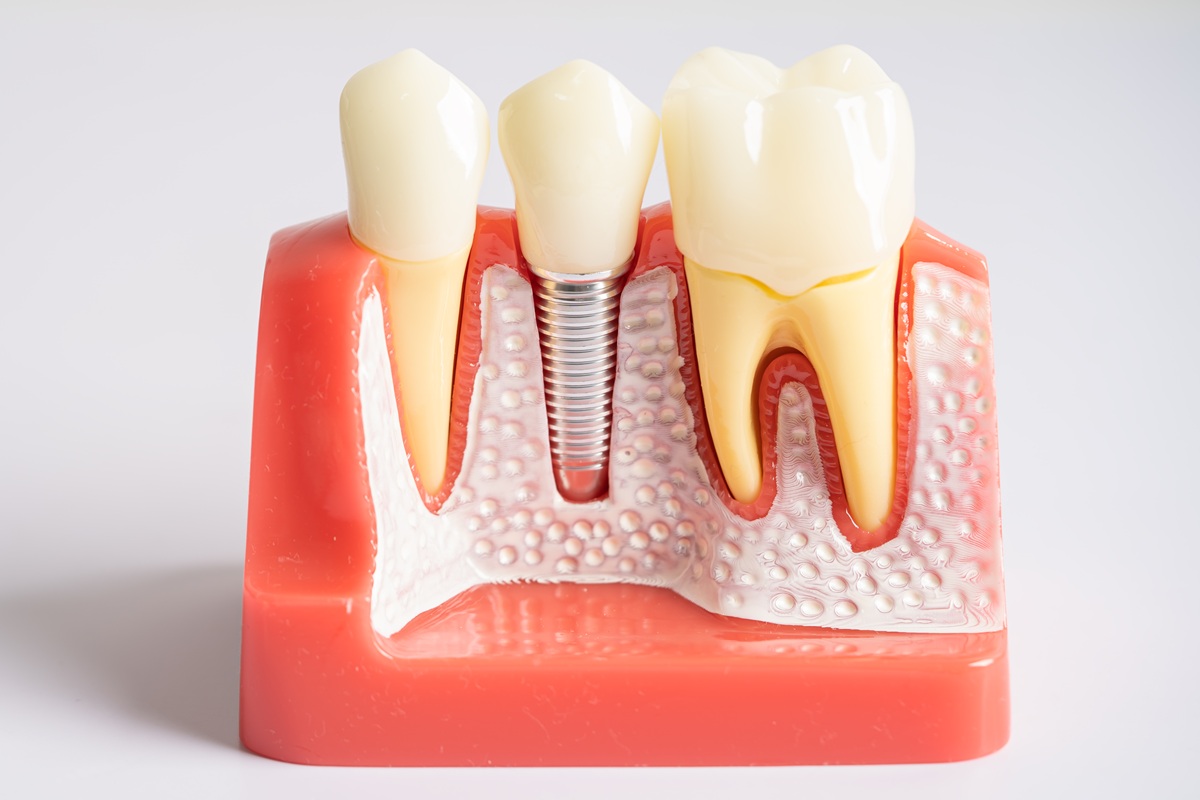
Unlike dentures or dental bridges, implants are surgically placed into the jawbone where the missing tooth root once was.
Once the implant heals and bonds with the bone through a process called osseointegration, it functions much like a natural tooth root. Everyday activities such as chewing and speaking continue to stimulate the jawbone, helping maintain its strength and density.
This is why implants are considered the gold standard for replacing missing teeth.
Ready to restore your smile while protecting your jawbone? Schedule a consultation with us to learn whether dental implants are the right long-term solution for your oral health.
Benefits Beyond Bone Preservation
Jawbone preservation is one of the biggest advantages, but dental implants offer several additional long-term benefits.
Maintain Your Natural Facial Shape
Bone loss can cause the cheeks to appear sunken and make the face look older than it really is. Because implants support the jawbone, they help preserve natural facial contours.
Keep Nearby Teeth Stable
When there is an empty space, surrounding teeth often drift toward it. This movement can affect your bite and make cleaning more difficult.
Replacing missing teeth with implants helps keep neighboring teeth properly aligned.
Enjoy Strong, Comfortable Chewing
Dental implants are firmly anchored into the jaw, allowing you to eat many of the foods you enjoy without worrying about movement or discomfort.
Many patients find they regain confidence eating everything from crisp apples to fresh vegetables.
Speak Clearly
Loose dentures can sometimes shift while talking. Implants stay securely in place, allowing for natural speech without slipping.
Long-Term Reliability
With good oral hygiene and regular dental visits, implants can last for decades, making them one of the most durable tooth replacement options available.
Why Timing Matters
The longer a tooth remains missing, the greater the amount of bone that may be lost.
If significant bone loss occurs, additional procedures such as bone grafting may be needed before implant placement.
Seeking treatment sooner often means:
- More available bone for implant support
- Simpler treatment planning
- Faster overall recovery
- Better long-term outcomes
Even if you’ve been missing teeth for years, don’t assume implants are no longer an option. A professional evaluation can determine the best approach for your situation.
Are Dental Implants Right for Everyone?
Many healthy adults are excellent candidates for implants.
Factors your dentist will evaluate include:
- Overall oral health
- Gum condition
- Amount of available jawbone
- Medical history
- Lifestyle habits, including smoking
Modern imaging technology allows dentists to carefully assess bone quality and create personalized treatment plans.
Caring for Dental Implants
One of the best features of implants is that they are cared for much like natural teeth.
To protect your investment:
- Brush twice daily.
- Floss around the implant every day.
- Attend routine dental cleanings.
- Avoid using teeth to open packages.
- Wear a night guard if you grind your teeth.
Consistent care helps keep both the implant and surrounding gums healthy.
Why Local Patients Choose Highbridge Dental Associates
Choosing the right dental team is just as important as choosing the right treatment.
At Highbridge Dental Associates, patients receive personalized care based on their oral health goals, lifestyle, and long-term needs. Whether you’ve recently lost a tooth or have been living with missing teeth for years, the team takes time to explain your options and develop a treatment plan that fits your situation.
Serving families throughout Fayetteville and nearby communities, the practice focuses on comfortable, modern care while helping patients make confident decisions about restoring their smiles.
Key Takeaways
If you’re considering tooth replacement, remember these important points:
- Dental implants replace both the tooth and its root.
- They help reduce jawbone loss after tooth extraction.
- Implants support facial structure and natural chewing function.
- Early treatment can help preserve more existing bone.
- Good home care and regular dental visits contribute to long-term success.
Replacing missing teeth isn’t just about appearance—it’s about protecting the health of your mouth for years to come.
Protect Your Smile for the Future
Replacing a missing tooth isn’t just about filling a gap—it’s about protecting the health and strength of your smile for years to come. By replacing the tooth root as well as the visible tooth, dental implants help preserve your jawbone, maintain your facial structure, and restore everyday comfort when eating and speaking.
If you’re considering your tooth replacement options, our team at Highbridge Dental Associates is here to help. Schedule a consultation to learn how a personalized implant treatment plan can support your long-term oral health and confidence.
Frequently Asked Questions
How do dental implants prevent jawbone loss?
Dental implants act like natural tooth roots. They stimulate the jawbone during everyday chewing, helping maintain bone density and reducing the bone loss that commonly occurs after tooth loss.
How soon should I replace a missing tooth?
It’s generally beneficial to replace a missing tooth sooner rather than later. Early treatment may help preserve more jawbone and reduce the need for additional procedures.
Can I get implants if I’ve been missing teeth for years?
Yes. Many patients with long-term tooth loss are still candidates for implants. In some cases, bone grafting may be recommended before implant placement.
Do dental implants feel like natural teeth?
Once fully healed, implants are designed to feel stable and function much like natural teeth, allowing comfortable chewing and speaking.
How long do dental implants last?
With proper oral hygiene and regular dental checkups, dental implants can last for many years and often decades.
New Patients & Emergency Appointments Welcome