
Pay Bill

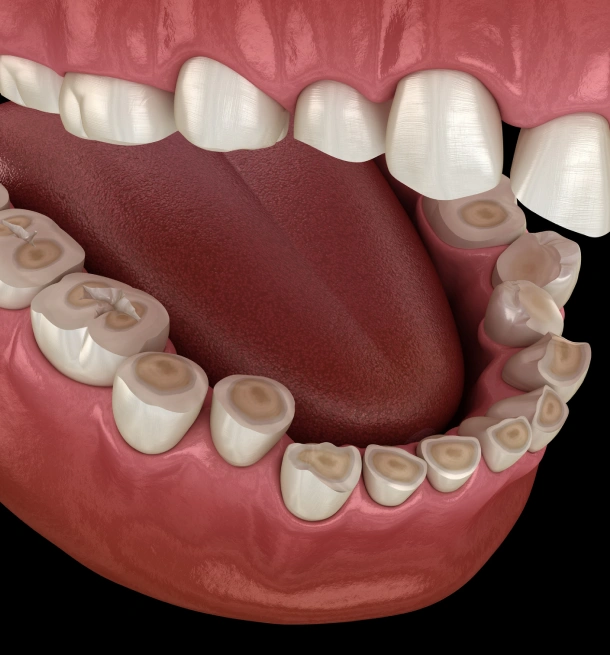
How Bruxism Can Damage Your Teeth and Jaw
Teeth grinding and teeth clenching during the day and particularly at night is a dental problem called bruxism that can cause extensive dental damage and seriously jeopardize your health. If you suffer from teeth grinding and clenching, seeking professional care can protect your teeth, jaw joint, and overall well-being. At Highbridge Dental Associates, we offer supportive care and treatment options to help reduce grinding habits, control symptoms, and prevent long-term damage to your smile.
Bruxism often goes unnoticed in its early stages, especially when grinding occurs during sleep. However, over time, constant pressure and friction can wear down enamel, strain jaw muscles, and even affect facial structure and comfort. Addressing the problem early helps maintain strong teeth and prevents more complex issues in the future.
What Causes Teeth Grinding?
Bruxism may be caused by improper tooth alignment, crooked or missing teeth, muscle or nerve disorders of the face, side effects of medication, or stress. Certain lifestyle habits and sleep patterns may also contribute to grinding, especially when paired with tension or anxiety. Because triggers differ for each person, personalized evaluation helps determine the most effective management plan.
Bruxism Symptoms
Common signs of bruxism may include:
- A grinding sound at night that may disturb a sleeping partner
- Headaches, particularly in the morning
- Discomfort or pain when opening your mouth wide
- Tight, tense, or painful jaw muscles
- Jaw joint pain or clicking
- Rhythmic jaw contractions while resting
- Swelling on one side of the lower jaw
- Persistent facial pain or fatigue
- Broken or worn fillings
- Tooth sensitivity or enamel damage
- Gum recession or wear from pressure
Some individuals do not realize they grind until pain or dental wear becomes noticeable, making routine checkups valuable for early detection.
Risks Associated With Teeth Grinding
If untreated bruxism may result in broken fillings, enamel erosion, tooth sensitivity, tooth loss, gum and bone erosion, jaw dysfunction, headaches, hearing loss, facial pain, and facial distortion. Grinding can also place strain on the jaw joint (TMJ), causing popping, stiffness, or limited movement when opening the mouth. Over time, simple habits can develop into structural wear, making early assessment essential.
Bruxism Treatment for a More Comfortable Smile
We will review your medical history, medications, and symptoms and will conduct a thorough examination to determine the nature and cause of your bruxism. We will address any damage to your teeth and gums and assist with correcting any abnormal alignment and bite. We also will check for tenderness in your jaw muscles and jaw joint and provide relief for these symptoms.
To prevent further bruxism damage until the corrective procedures are complete, we may prepare a full or partial custom mouth guard for wearing at night. This helps protect enamel, reduce grinding force, and relieve jaw strain. Additional treatments may include bite adjustment, restorative repair for damaged teeth, or relaxation-based approaches if stress-related grinding is present.
Managing Bruxism Symptoms
Stress control, sleep support habits, and avoiding hard foods may help reduce grinding triggers. Wearing a nightguard, attending routine check-ups, and correcting bite imbalance contribute to long-term protection. Small adjustments today can prevent more complex treatment later.
If you suspect nighttime grinding or experience jaw discomfort or sensitivity, Highbridge Dental Associates can help diagnose the cause and offer treatment plans that protect your teeth and restore comfort. Contact us to schedule your evaluation and start managing bruxism with confidence.
Frequently Asked Questions
Is bruxism only a nighttime condition?
No. Many people grind during the day due to stress or jaw tension without realizing it.
Can a nightguard stop grinding completely?
It doesn't stop the habit, but it protects teeth from wear and reduces pressure on jaw joints.
Are children affected by bruxism?
Yes. Some children grind temporarily, often during growth or teething stages.
Will bruxism go away on its own?
Mild cases may improve, but chronic grinding usually requires evaluation and management.
Can grinding cause ear pain or headaches?
Yes. The jaw joint shares nerve pathways with the ear and head, leading to referred pain.
New Patients & Emergency Appointments Welcome