
Pay Bill

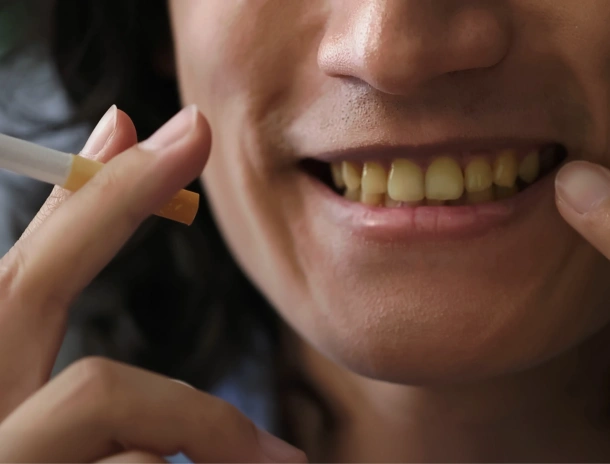
Impact of Tobacco Use on Oral Health
Tobacco use, in any form, can lead to a wide range of serious oral health problems. While many people are aware of the harmful effects of smoking, the extensive consequences it has on your dental health may not always be as well known. At Highbridge Dental Associates, we are committed to helping our patients quit tobacco and improve their overall oral and general health.
How Tobacco Use Impacts Oral Health
The use of tobacco is linked to several dental issues, including:
These oral health problems extend far beyond the mouth, affecting the rest of the body. Smoking and tobacco use are also linked to more severe health issues like cancer, organ failure, and complications in pregnancy. Furthermore, the harmful effects of tobacco extend to children and loved ones through secondhand smoke exposure.
- Oral cancers (lips, tongue, mouth, throat, voice box)
- Periodontal disease (major cause of tooth loss)
- Jawbone loss
- Increased plaque, tartar, and calculus buildup
- Gum recession
- Tooth decay and sensitivity
- Increased need for root canal treatment
- Canker sores
- Leukoplakia (white patches in the mouth)
- Sleep apnea exacerbation
- Dry mouth (xerostomia)
- Delayed healing after tooth extraction or oral surgery
- Lower success rates for dental implants
- Tooth enamel loss and discoloration
- Bad breath (halitosis)
- Diminished taste and smell
Why You Should Consider Quitting Tobacco
Quitting tobacco not only improves your oral health but also boosts your overall well-being. By stopping the use of tobacco, you reduce your risk of many serious health conditions, including gum disease, tooth loss, and cancer. Quitting also helps you breathe better, heal faster from dental treatments, and enjoy a brighter smile with healthier teeth and gums.
How We Can Help
At Highbridge Dental Associates, we understand that quitting tobacco is a challenging process. That’s why we are here to support you every step of the way. Our team offers a variety of resources and support to help you overcome tobacco addiction and regain control of your health.
We provide:
- Personalized counseling and discussions about the impact of tobacco on your oral health.
- Referrals to local support groups and specialists who focus on anti-tobacco treatment.
- Resources from the American Dental Association to help guide your journey toward quitting.
- Advice on effective approaches for quitting, including oral care tips and managing the effects of tobacco cessation.
Importance of Professional Help in Quitting Tobacco
At Highbridge Dental Associates, we understand that quitting tobacco is a challenging process. That’s why we are here to support you every step of the way. Our team offers a variety of resources and support to help you overcome tobacco addiction and regain control of your health.
While there are many methods to quit smoking or using tobacco, professional help can significantly improve your chances of success. We are here to help you understand the risks of tobacco use, how to manage cravings, and the best strategies to quit for good. Our goal is to guide you through this process and support your efforts to maintain a tobacco-free lifestyle.
Frequently Asked Questions
How does tobacco affect my oral health?
Tobacco causes gum disease, tooth loss, and oral cancer. It also leads to bad breath, stained teeth, and delayed healing after dental procedures.
Can quitting tobacco improve my smile?
Yes! Quitting tobacco can reverse gum disease, reduce plaque buildup, and help improve the color of your teeth. You’ll also reduce the risk of tooth decay and enamel loss.
How long will it take for my oral health to improve after quitting?
Many of the oral health issues caused by tobacco, such as gum inflammation and plaque buildup, can begin to improve within weeks of quitting. The full benefits may take months or even years, but the improvements are significant.
Can I quit smoking on my own?
While some people can quit smoking independently, most individuals benefit from additional support. Programs like ours, along with counseling and support groups, increase your chances of successfully quitting.
Are there any products or treatments that can help me quit?
Yes, several nicotine replacement therapies (NRTs) and prescription medications can assist in quitting. We’ll help guide you to the most appropriate options and refer you to specialists for further treatment if needed.
New Patients & Emergency Appointments Welcome