
Pay Bill

Can a Root Canal Save a Cracked or Broken Tooth?

A cracked or broken tooth can happen when you least expect it. Biting into something hard, a sports injury, an accidental fall, or even years of wear and tear can leave a tooth damaged. While some cracks are minor and only affect the outer enamel, others can reach the inner pulp where the tooth’s nerves and blood vessels are located. Once that happens, discomfort, sensitivity, and infection may follow.
The good news is that not every damaged tooth needs to be removed. In many cases, a root canal can preserve the natural tooth and restore its function. At Highbridge Dental Associates, we focus on preserving natural teeth whenever possible by providing personalized care and advanced treatment options designed around each patient’s needs.
If you’ve noticed a cracked, chipped, or painful tooth, don’t wait for the damage to worsen. Schedule an appointment with our team for a comprehensive evaluation and timely treatment to help protect your smile.
Does Every Cracked or Broken Tooth Need a Root Canal?
Not necessarily.
The right treatment depends on the severity and location of the damage. Small chips that only affect the enamel can often be repaired with dental bonding or a filling. Larger fractures may require a dental crown for protection.
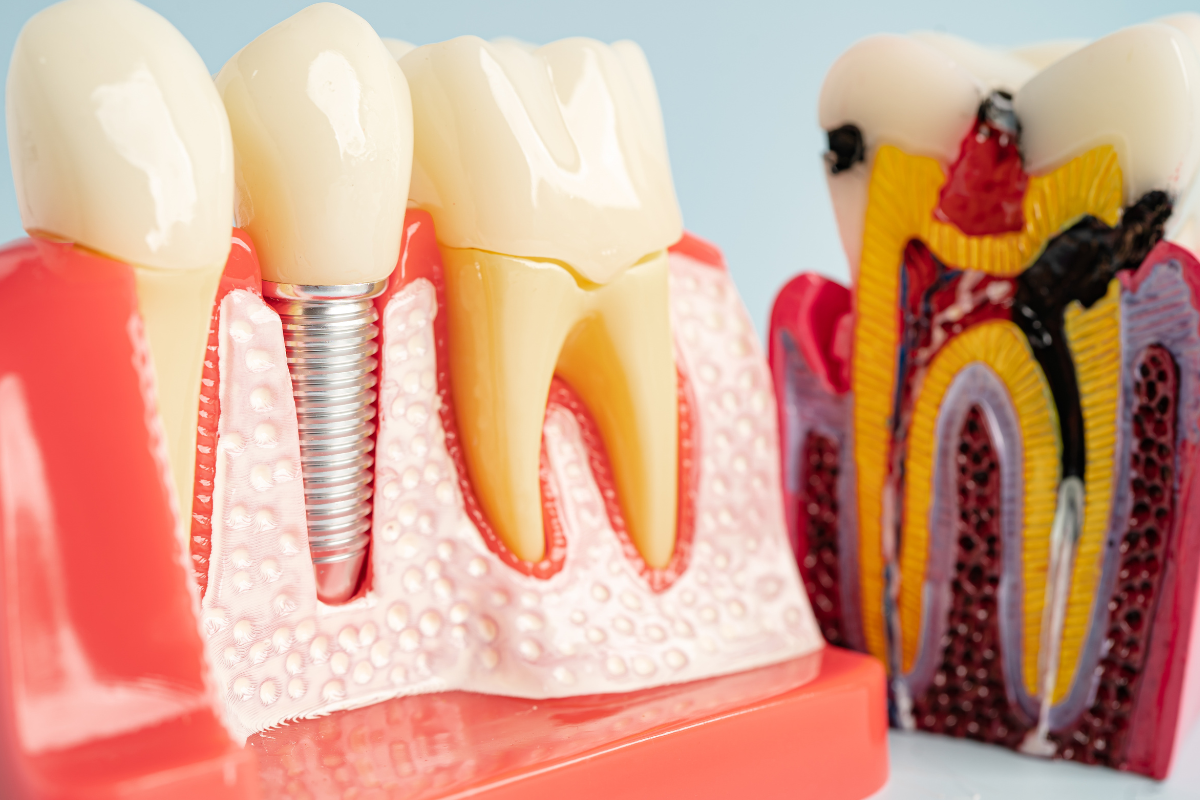
A root canal is generally recommended when the crack extends into the pulp, allowing bacteria to enter the tooth and cause inflammation or infection.
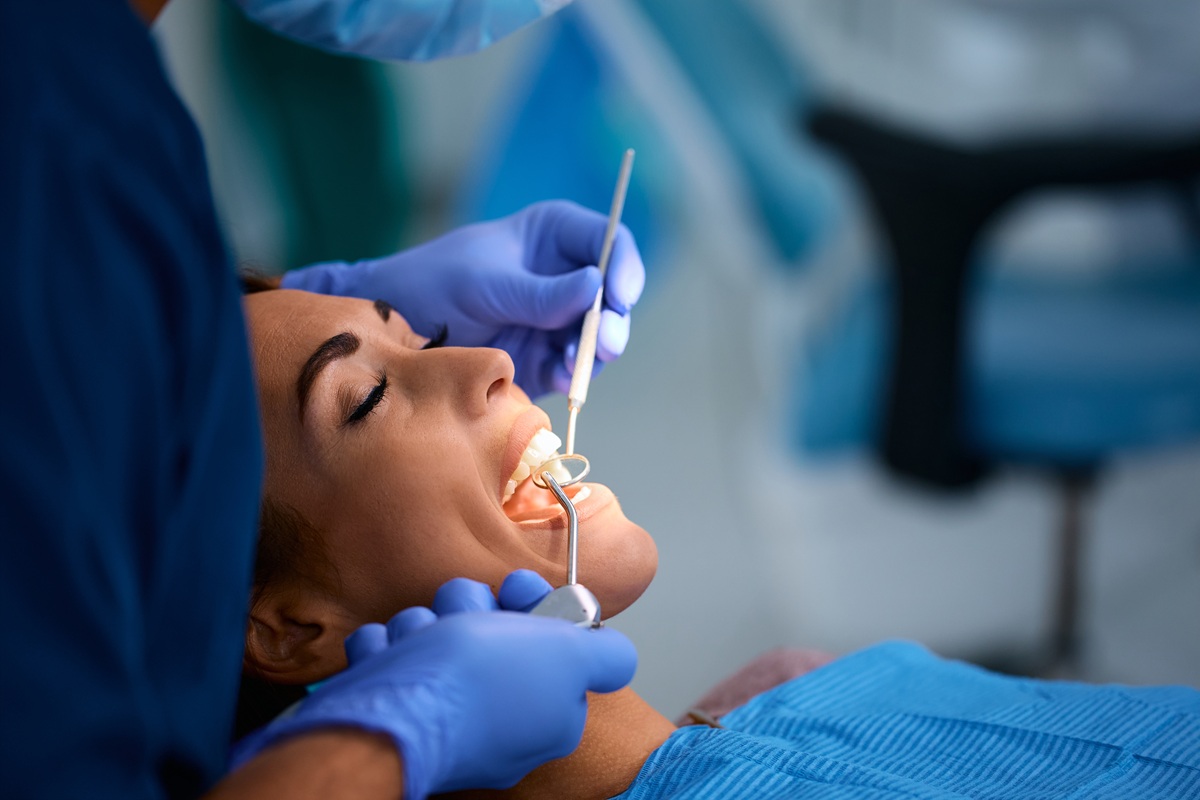
Your dentist will evaluate the tooth using a clinical examination and digital X-rays before recommending the most appropriate treatment.
If you’re looking for root canal therapy in Fayetteville, Highbridge Dental Associates provides comprehensive evaluations and personalized treatment plans to help save damaged teeth whenever possible.
Signs That a Root Canal May Be Needed
A cracked tooth isn’t always painful. In fact, some patients experience only mild symptoms at first. However, if the inner pulp becomes affected, you may notice:
- Persistent tooth pain
- Sharp pain when biting or chewing
- Sensitivity to hot or cold foods and drinks
- Swollen or tender gums around the tooth
- A darkened or discolored tooth
- A recurring pimple-like bump on the gums
If you experience any of these symptoms, scheduling a dental evaluation promptly can increase the chances of saving your natural tooth.
How a Root Canal Helps Save a Damaged Tooth
A root canal removes infected or inflamed pulp while preserving the healthy outer structure of the tooth.
The procedure typically involves:
- Examining the damaged tooth.
- Numbing the area for comfort.
- Removing the infected pulp.
- Cleaning and disinfecting the root canals.
- Filling and sealing the canals.
- Restoring the tooth, usually with a custom dental crown.
Once restored, the tooth can continue functioning normally for many years with proper care.
When a Root Canal May Not Be Enough
Unfortunately, not every cracked tooth can be saved.
Treatment may not be possible if:
- The crack extends below the gumline.
- The tooth has split into separate pieces.
- There is extensive bone loss around the tooth.
- The fracture reaches the root in a way that cannot be repaired.
In these situations, tooth extraction may be the healthiest option. Your dentist can then discuss replacement options, such as a dental implant or bridge, to restore your smile.
Why Acting Quickly Matters
One of the biggest mistakes people make is waiting for severe pain before seeking treatment.
A small crack can become larger over time as you continue chewing. Once bacteria reach the pulp, infection can spread and reduce the likelihood of saving the tooth.
Early diagnosis often means:
- Less discomfort
- Simpler treatment
- Better long-term outcomes
- Higher chance of preserving your natural tooth
Prompt dental care can make all the difference.
How Your Tooth Is Protected After Treatment
Following a root canal, many cracked or broken teeth are restored with a dental crown.
A crown helps by:
- Reinforcing the weakened tooth
- Preventing the crack from spreading
- Restoring normal chewing ability
- Improving appearance
- Extending the life of the treated tooth
Your dentist will recommend the most appropriate restoration based on the location and condition of your tooth.
Can You Prevent Cracked Teeth?
While accidents can’t always be avoided, several habits can reduce your risk of damaging your teeth.
Here are a few simple preventive tips:
- Avoid chewing ice and hard candies.
- Don’t use your teeth to open packages.
- Wear a mouthguard during sports.
- Use a nightguard if you grind your teeth.
- Keep up with regular dental checkups.
- Address small chips or fractures before they worsen.
These habits can help protect your smile and reduce the need for more extensive dental treatment later.
Local Care You Can Count On
Life in and around Fayetteville often includes active families, outdoor recreation, school sports, and busy schedules. Dental injuries can happen unexpectedly, whether during a weekend game, a family outing, or everyday activities. Having a trusted dental team available for prompt evaluation can help prevent a minor crack from becoming a more serious problem.
When treated early, many damaged teeth can be preserved, allowing you to maintain your natural smile and avoid more complex procedures in the future.
Why Choose Highbridge Dental Associates?
At Highbridge Dental Associates, patient comfort and conservative care are always priorities. The team carefully evaluates every cracked or broken tooth to determine whether it can be saved before considering extraction.
Using modern diagnostic technology and personalized treatment planning, they focus on preserving natural teeth whenever possible. Whether your tooth has been damaged by injury, decay, or everyday wear, the goal is to restore your oral health with long-lasting, comfortable solutions.
If you’re experiencing tooth pain or suspect a crack, don’t wait for the problem to worsen. Schedule an appointment to receive a thorough evaluation and learn about the treatment options available for your smile.
Frequently Asked Questions
Can a cracked tooth heal on its own?
No. Unlike bones, teeth cannot repair themselves. Once a tooth is cracked, professional dental treatment is needed to prevent the damage from worsening.
Is a root canal painful?
Modern root canal treatment is performed using local anesthesia and is generally no more uncomfortable than getting a dental filling.
How long does a tooth last after a root canal?
With proper oral hygiene, regular dental visits, and a well-fitted crown when recommended, a treated tooth can last for many years.
Will I always need a crown after a root canal?
Not always. However, back teeth and teeth with significant structural damage often benefit from a crown to improve strength and durability.
How soon should I see a dentist after cracking a tooth?
As soon as possible. Early evaluation increases the likelihood that the tooth can be successfully saved before infection or further fracture develops.

New Patients & Emergency Appointments Welcome