
Pay Bill

When Removing a Tooth Becomes the Right Step for Your Oral Health
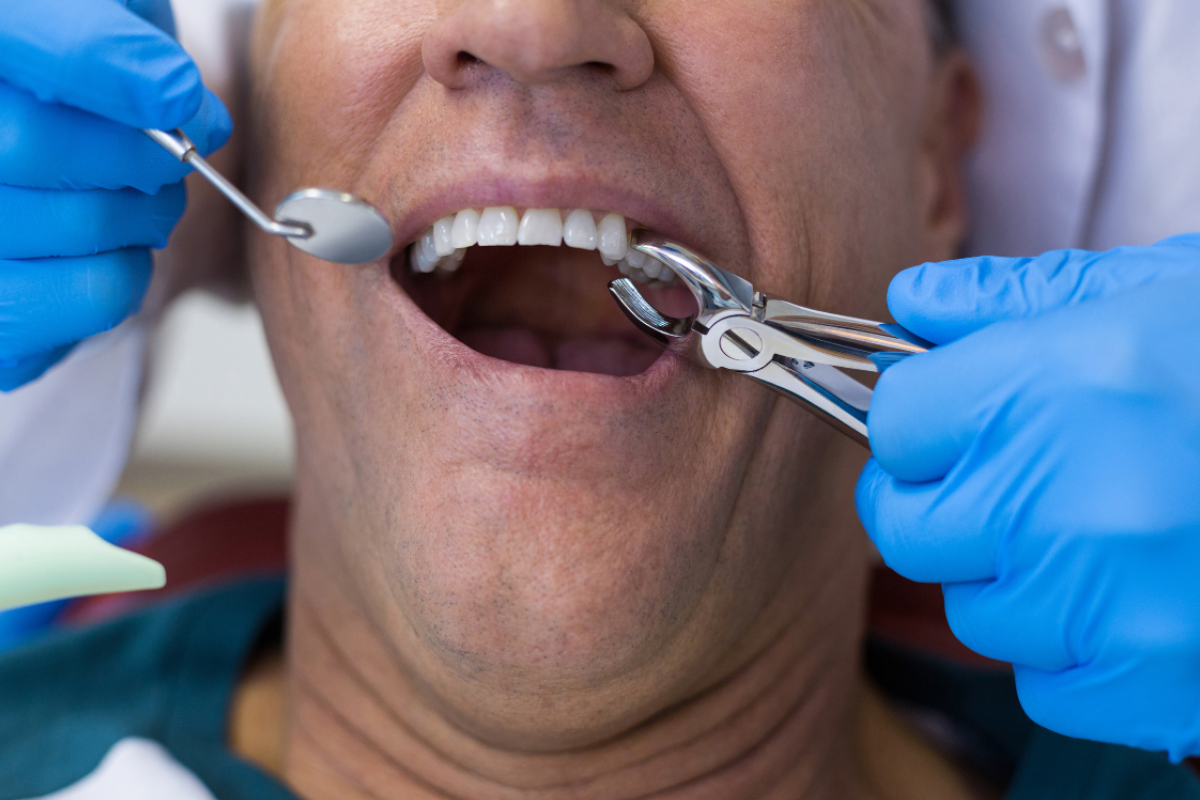
Tooth pain can interrupt your day, affect your sleep, and make even simple meals uncomfortable. Sometimes, a damaged or infected tooth cannot heal with basic treatments. In those moments, removing the tooth can protect your overall oral health and prevent further complications. If you have been searching for tooth extraction fayetteville, understanding the process can help you feel more prepared and confident about your next step.
Why a Tooth May Need to Be Removed?
Dentists always try to save natural teeth whenever possible. However, certain conditions make removal the safer option.
Common reasons include:
- Severe tooth decay that reaches deep into the structure
- Advanced gum disease that loosens the tooth
- Infection that threatens surrounding teeth
- Overcrowding that affects alignment
- Broken teeth that cannot be repaired
When these issues arise, a tooth extraction fayetteville procedure can relieve discomfort and protect nearby teeth.
Signs You Should Not Ignore
Your body often signals when something is wrong. Recognizing these signs early can prevent more serious problems.
Watch for:
- Persistent tooth pain
- Swelling around the gums
- Sensitivity that does not go away
- Difficulty chewing
- A loose or damaged tooth
If you notice any of these symptoms, visiting a provider for tooth extraction fayetteville can help identify the cause and provide relief.
Types of Tooth Extractions
Not all extractions follow the same approach. Your dentist will choose the method based on the condition of your tooth.
1. Simple Extraction
This procedure works for teeth that are visible above the gum line. The dentist loosens the tooth and removes it gently.
2. Surgical Extraction
This approach helps when a tooth has not fully emerged or has broken at the gum line. The dentist makes a small opening to remove the tooth safely.
Both methods aim to keep you comfortable while removing the source of pain.
What to Expect During the Procedure?
Understanding the process can ease anxiety and help you feel more in control.
Here’s what typically happens during a tooth extraction fayetteville visit:
- The dentist examines your tooth and takes images if needed
- Local anesthesia numbs the area
- The tooth gets loosened and removed
- Gauze gets placed to control bleeding
The procedure usually moves quickly, and the dental team focuses on keeping you comfortable throughout.
Recovery and Aftercare Tips
Your recovery plays a key role in how quickly your mouth heals. Following simple aftercare steps can reduce discomfort and support healing.
After your extraction:
- Rest for the remainder of the day
- Avoid using straws for at least 24 hours
- Stick to soft foods like yogurt or mashed potatoes
- Keep the area clean without disturbing the site
- Follow your dentist’s instructions carefully
Patients who follow these steps after a tooth extraction fayetteville often heal smoothly and return to normal routines within a few days.
Replacing a Missing Tooth
Removing a tooth solves the immediate problem, but leaving the space empty can affect your bite and alignment. Replacing the missing tooth helps maintain balance in your mouth.
Common replacement options include:
- Dental implants
- Bridges
- Partial dentures
Your dentist will guide you through the right option based on your needs after a tooth extraction fayetteville.
How Tooth Extraction Protects Your Health?
Although removal may sound intimidating, it often prevents more serious issues. An infected tooth can spread bacteria to surrounding areas and lead to additional complications.
Choosing tooth extraction fayetteville at the right time can:
- Stop the spread of infection
- Reduce pain and swelling
- Protect nearby teeth
- Improve overall oral health
Taking action early helps you avoid more complex treatments later.
Preparing for Your Appointment
A little preparation can make your visit smoother and less stressful.
Before your appointment:
- Share your medical history with your dentist
- Arrange transportation if needed
- Eat a light meal unless instructed otherwise
- Ask questions about the procedure
When you feel informed, you can approach your tooth extraction fayetteville visit with confidence.
Building a Strong Oral Care Routine After Extraction
After your mouth heals, maintaining a consistent oral care routine becomes even more important. Healthy habits protect your remaining teeth and prevent future problems.
Focus on:
- Brushing twice daily
- Flossing regularly
- Limiting sugary foods and drinks
- Scheduling routine dental visits
Staying consistent with these habits reduces the chances of needing another tooth extraction fayetteville in the future.
Take the First Step Toward Relief
Living with tooth pain can affect every part of your day. Eating, speaking, and even resting can become difficult. Addressing the issue early can bring relief and restore comfort.
If your dentist recommends removal, trust that the goal focuses on protecting your health and improving your quality of life. Choosing tooth extraction fayetteville allows you to move forward without ongoing discomfort and take control of your oral health.
FAQs On Tooth Extraction Fayetteville
1. Does a tooth extraction hurt?
You will feel minimal discomfort during the procedure due to anesthesia. Mild soreness may occur after, but it usually improves within a few days.
2. How long does it take to recover?
Most people recover within a few days. Complete healing of the area may take a couple of weeks.
3. What can I eat after an extraction?
Soft foods like yogurt, soup, and mashed potatoes work well. Avoid hard or crunchy foods during the initial healing period.
4. When can I return to normal activities?
You can resume light activities the next day. Avoid heavy exercise for a few days to support healing.
5. Do I need to replace the extracted tooth?
Replacing the tooth helps maintain alignment and function. Your dentist can guide you on the right option.
6. What should I avoid after the procedure?
Avoid smoking, using straws, and touching the extraction site. These actions can delay healing.
7. How do I know if something is wrong after extraction?
Contact your dentist if you notice severe pain, swelling, or signs of infection. Early attention helps prevent complications.


New Patients & Emergency Appointments Welcome