
Pay Bill

Root Canal Therapy in Fayetteville: Symptoms, Procedure, and What to Expect
Is there persistent tooth pain that will not subside? Increased sensitivity to hot or cold foods? Swelling or tenderness around the gums? These common symptoms often indicate an infection deep within the tooth and are frequent reasons patients begin searching for root canal therapy in Fayetteville.
Root canal treatment is a safe, effective procedure that removes infection from inside the tooth while preserving its natural structure. With modern techniques and effective local anesthesia, the procedure is typically no more uncomfortable than receiving a routine filling.
With more than 15 years of experience providing endodontic care in Fayetteville, NY, Dr. Christian H. Woodhead is committed to delivering comfortable, precise treatment that relieves pain and restores long-term oral health.
What Is Root Canal Therapy?
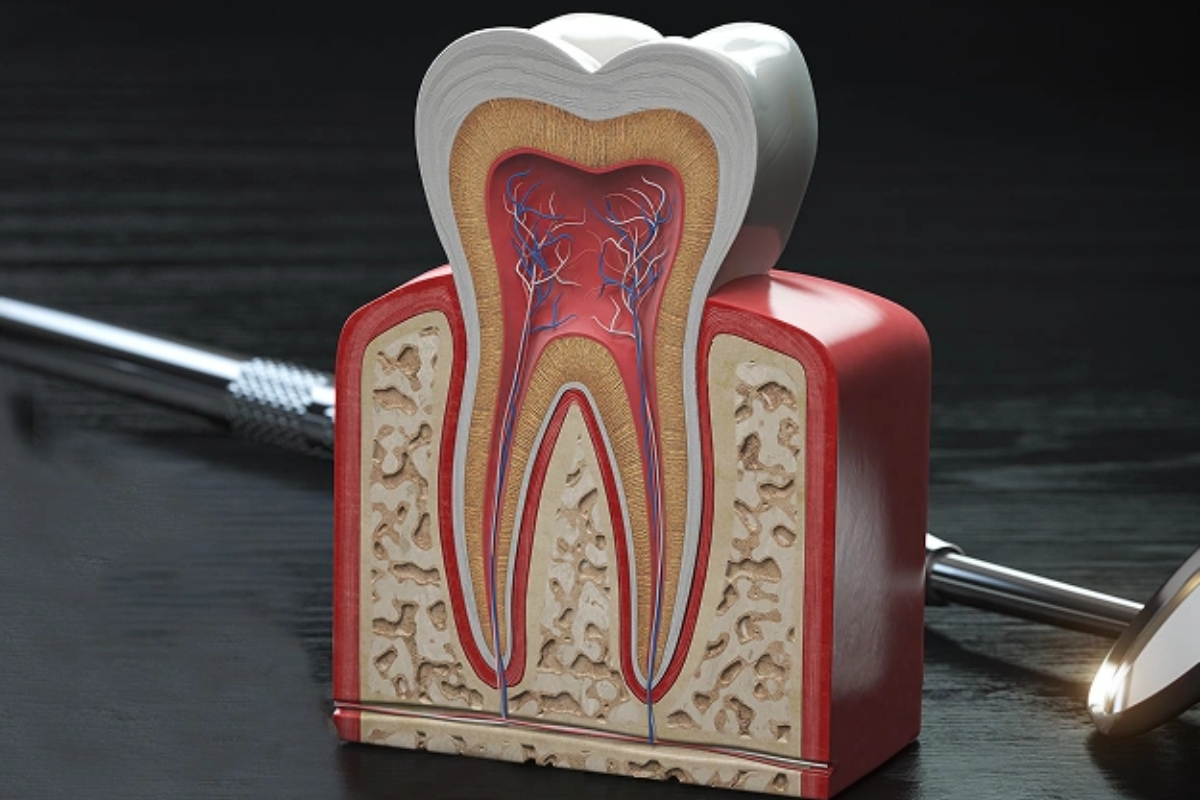
Root canal therapy, also known as endodontic therapy, treats infection inside the tooth. Beneath the enamel and dentin is soft tissue called pulp. The pulp contains nerves and blood vessels that help the tooth develop. Once a tooth is fully formed, it can function without the pulp.
If bacteria enter the pulp, often through deep decay or a crack, the tissue becomes inflamed or infected. This can cause significant discomfort and swelling. A root canal procedure removes the infected pulp, cleans and disinfects the inner canals, and seals the tooth to prevent further infection.
The goal is simple: eliminate infection while saving your natural tooth whenever possible.
Signs You May Need a Root Canal
Not every toothache requires a root canal, but certain symptoms suggest a deeper infection. You should schedule an evaluation if you experience:
- Persistent or severe tooth pain
- Sensitivity to hot or cold that lingers
- Swollen or tender gums near a tooth
- Darkening or discoloration of a tooth
- A small pimple-like bump on the gums (possible abscess)
Some infections cause minimal pain but still require treatment. That’s why professional diagnosis is important. Digital X-rays and a thorough exam help determine whether root canal treatment is necessary.
Common Causes of Tooth Infection
Tooth infections don’t happen overnight. They typically develop when bacteria gain access to the pulp. Common causes include:
Deep decay: Untreated cavities can spread into the inner part of the tooth.
Cracks or trauma: Even small fractures can allow bacteria to enter.
Repeated dental procedures: Multiple treatments on the same tooth can weaken it.
Untreated cavities: Minor decay can progress if not addressed early.
Preventive care and routine dental visits in Fayetteville help catch these issues before they become serious.
Root Canal Therapy: A Step-by-Step Process
Understanding the procedure often helps reduce anxiety. Here’s what typically happens among patients who receive root canal therapy in our office:
1. Examination and Digital X-Rays
We begin with a comprehensive evaluation. Digital imaging allows us to see the extent of infection and assess the surrounding bone.
2. Local Anesthesia
The area is fully numbed before treatment begins. Most patients report that the experience feels similar to receiving a filling.
3. Cleaning and Shaping the Canals
A small opening is made in the tooth. The infected pulp is removed, and the inner canals are carefully cleaned and shaped.
4. Disinfection and Sealing
The canals are disinfected and sealed with a biocompatible material to prevent reinfection.
5. Final Restoration
In most cases, a crown is placed to protect and strengthen the treated tooth. This restores full function and appearance.
Modern equipment and techniques make the root canal procedure precise, efficient, and comfortable.
Does a Root Canal Hurt?
This is one of the most common questions I hear.
The infection inside your tooth causes the pain, not the treatment itself. With today’s local anesthetics and gentle techniques, most patients say the procedure feels similar to a routine filling.
Afterward, you may experience mild soreness for a few days, especially when chewing. This can usually be managed with over-the-counter medication and resolves quickly.
The relief from eliminating the infection often outweighs any temporary discomfort.
Benefits of Root Canal Treatment
Root canal treatment offers several important benefits:
Relieves pain: Removing infected tissue reduces inflammation and discomfort.
Saves your natural tooth: Preserving your tooth helps maintain normal chewing and appearance.
Prevents spread of infection: Untreated infections can spread to surrounding tissues.
Maintains bite alignment: Keeping your natural tooth prevents neighboring teeth from shifting.
Whenever possible, saving your natural tooth is the healthiest and most conservative option.
Recovery and Aftercare
Most patients return to normal activities the same day. Here’s what to expect:
- Mild tenderness for a few days
- Avoid chewing on the treated tooth until fully restored
- Take prescribed or recommended medications as directed
If a crown is needed, it is typically placed shortly after the root canal procedure to protect the tooth long-term.
Maintaining good oral hygiene-brushing, flossing, and attending regular checkups- helps ensure lasting results.
Why Choose a Local Provider in Fayetteville, NY?
Choosing a dentist close to home offers important advantages. In Fayetteville, NY, you benefit from:
Continuity of care: Your dental history and follow-up visits are managed in one place.
Advanced technology: Modern imaging and treatment techniques improve comfort and outcomes.
Personalized attention: A local practice understands the community’s needs.
Trusted relationships: Established providers build long-term connections with patients and families.
Having accessible care nearby also makes follow-up appointments easier and more convenient.
Frequently Asked Questions
1. How Long Does A Root Canal Take?
Most root canal treatments take about 60 to 90 minutes, depending on the tooth and severity of infection. Some cases may require two visits.
2. Is Root Canal Therapy Safe?
Yes. Root canal therapy is a well-established, evidence-based procedure performed millions of times each year. It is designed to eliminate infection and safely preserve your natural tooth.
3. How Much Does Root Canal Therapy Cost?
Costs vary depending on the tooth being treated and the complexity of the case. The dentist can provide a detailed estimate and review insurance coverage options.
4. Can I Avoid A Crown After A Root Canal?
Back teeth typically require a crown for strength and protection. In certain cases involving front teeth, a crown may not be necessary. The dentist will recommend the best option for long-term durability.
5. What Happens If I Delay Treatment?
Delaying treatment can allow the infection to worsen and spread. This may lead to increased pain, swelling, or even tooth loss. Early care is always the most conservative approach.
Find Relief with Root Canal Therapy in Fayetteville
If you are experiencing tooth pain or signs of infection, timely care can protect your health and your smile. Root canal therapy in Fayetteville is safe, comfortable, and highly effective at eliminating infection while preserving natural teeth.Our goal is to provide clear information, gentle treatment, and personalized care for every patient. If you have concerns about a painful or sensitive tooth, we encourage you to schedule a call. Addressing the issue early can relieve discomfort and help you maintain a healthy smile for years to come.



New Patients & Emergency Appointments Welcome