
Pay Bill

How a Root Canal Treats an Infected Tooth Nerve

A persistent toothache has a way of interrupting everything—from enjoying your favorite meal to getting a good night’s sleep. While many people hope the pain will go away on its own, discomfort that lingers or worsens can be a sign of an infected tooth nerve. Left untreated, the infection may spread, leading to more serious oral health problems.
The good news is that modern root canal treatment is designed to eliminate infection while preserving your natural tooth. If you’re searching for root canal therapy, understanding how the procedure works can help you feel more confident about getting the care you need.
At Highbridge Dental Associates, the goal is always to relieve pain, protect your smile, and help you avoid unnecessary tooth extraction whenever possible. Contact us to schedule a comprehensive evaluation and learn whether root canal treatment is the right solution to save your natural tooth and restore your comfort.
What Is an Infected Tooth Nerve?
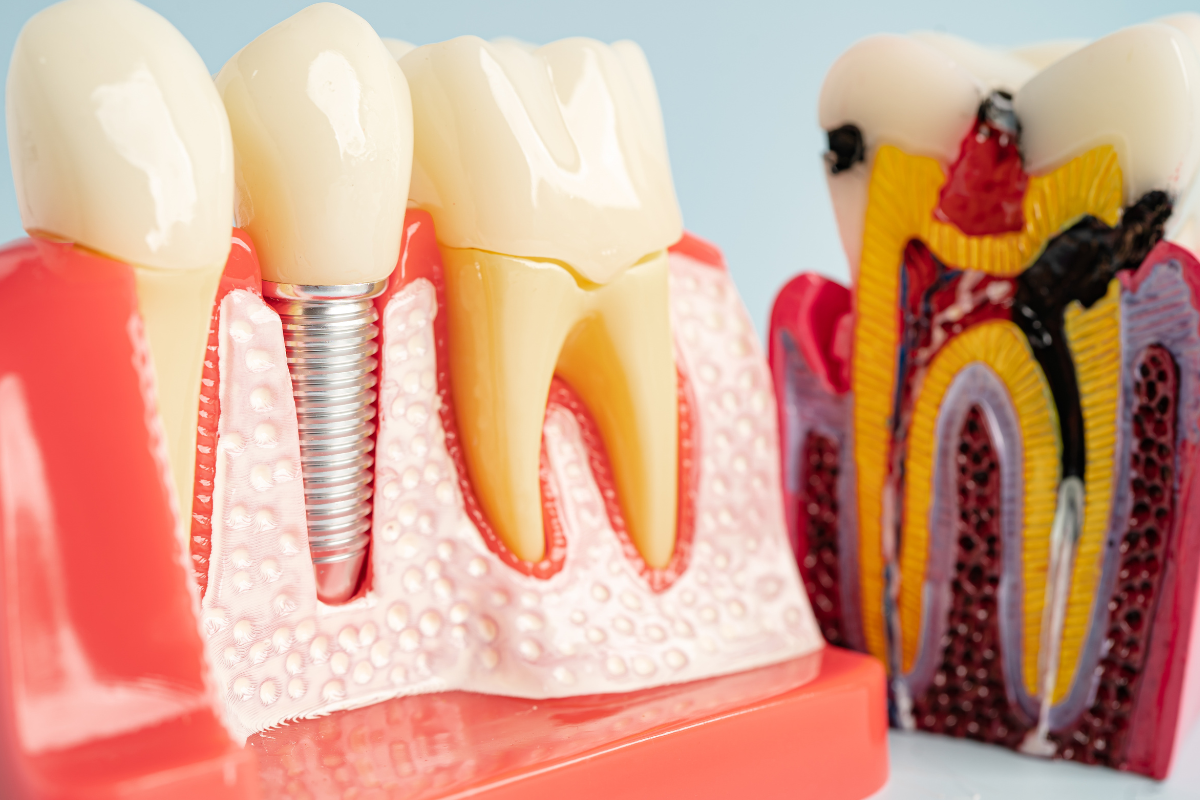
Inside every tooth is a soft tissue called the pulp. It contains nerves, blood vessels, and connective tissue that help the tooth develop. Once a tooth is fully mature, it no longer depends on the pulp to stay healthy.
When bacteria enter the pulp through deep decay, a crack, repeated dental procedures, or trauma, the tissue can become infected or inflamed. Because the infection is trapped inside the tooth, it usually won’t heal on its own.
Without treatment, the infection may spread to the surrounding tissues and even form a painful dental abscess.
Signs Your Tooth Nerve May Be Infected
Not every infected tooth causes immediate pain, but common warning signs include:
- Persistent or throbbing toothache
- Sharp pain when biting or chewing
- Sensitivity to hot or cold that lingers
- Swollen or tender gums near the tooth
- A pimple-like bump on the gums
- Tooth discoloration
- Facial swelling in severe cases
If you notice one or more of these symptoms, scheduling a dental evaluation promptly can help prevent the infection from worsening.
How Does a Root Canal Actually Work?
Many people think a root canal is painful, but in reality, the procedure is designed to remove the source of pain—not create it.
Here’s what typically happens during treatment.
1. Careful Examination
Your dentist first examines the affected tooth and takes digital X-rays to determine the extent of the infection. This helps identify whether the pulp has been damaged and whether surrounding bone has been affected.
2. Comfortable Local Anesthesia
The area is thoroughly numbed before treatment begins. Most patients say the experience feels similar to receiving a filling.
3. Removing the Infected Pulp
A small opening is created in the top of the tooth. Using specialized instruments, the infected pulp and bacteria are carefully removed from the root canals.
This is the step that eliminates the infected nerve tissue responsible for much of the discomfort.
4. Cleaning and Disinfecting the Canals
Once the infected tissue has been removed, the canals are cleaned, shaped, and disinfected to eliminate remaining bacteria.
Thorough cleaning greatly reduces the chance of reinfection.
5. Sealing the Tooth
After cleaning, the empty canals are filled with a biocompatible material that helps seal the space and prevent bacteria from returning.
6. Restoring Strength
In many cases, especially for back teeth, a dental crown is recommended after healing. The crown protects the treated tooth from fractures and restores normal chewing function.
Why Saving Your Natural Tooth Matters
Whenever possible, dentists prefer to preserve your natural teeth rather than remove them.
Keeping your original tooth offers several benefits:
- Maintains your natural bite
- Prevents neighboring teeth from shifting
- Supports normal chewing and speaking
- Helps preserve jawbone function
- Avoids the need for tooth replacement in many situations
A properly restored tooth can often last for many years with good oral hygiene and routine dental care.
Is Root Canal Treatment Painful?
This is one of the biggest misconceptions.
Decades ago, root canals had a reputation for being uncomfortable. Today’s techniques, advanced anesthesia, and modern equipment have made the procedure much more comfortable than many people expect.
In fact, most patients are already experiencing significant pain from the infection itself. Removing the infected tissue typically provides relief rather than additional discomfort.
Some mild soreness afterward is normal and usually resolves within a few days.
What Happens After the Procedure?
Recovery is generally straightforward.
To encourage proper healing:
- Take medications exactly as directed.
- Avoid chewing on the treated tooth until it’s permanently restored.
- Brush and floss gently but consistently.
- Attend any recommended follow-up appointments.
- Have your permanent crown placed if advised.
Most people return to work or normal daily activities the following day.
When Should You See a Dentist?
You should never ignore ongoing tooth pain.
Schedule an evaluation if you experience:
- Tooth pain lasting more than one or two days
- Swelling around a tooth or gums
- Pain when biting down
- Lingering sensitivity to temperature
- A cracked or injured tooth
- Drainage or a bad taste near the affected tooth
Early treatment often prevents more extensive dental procedures later.
Caring for Your Teeth After Recovery
Once your tooth has healed, protecting it is similar to caring for the rest of your smile.
Healthy habits include:
- Brushing twice daily with fluoride toothpaste
- Flossing every day
- Visiting your dentist for regular exams and cleanings
- Wearing a mouthguard during sports
- Avoiding chewing ice or other hard objects
These simple habits help protect both treated and untreated teeth.
Compassionate Care Close to Home
Living in or around Fayetteville means having access to dental care without traveling far when tooth pain strikes. Whether you’ve noticed lingering sensitivity after enjoying something hot or cold, or you’re dealing with sudden swelling before a busy workweek, timely treatment can make all the difference.
At Highbridge Dental Associates, every treatment plan is tailored to your needs. If an examination shows that saving your natural tooth is possible, the team will explain each step clearly and help you feel comfortable throughout the process. Patients looking for root canal therapy in Fayetteville can expect modern techniques, personalized care, and a focus on preserving healthy smiles for the long term.
Ignoring an infected tooth nerve rarely solves the problem—but prompt treatment often can. Seeking care early may help you avoid unnecessary complications and keep your natural smile healthy for years to come.
Frequently Asked Questions
How long does a root canal take?
Most root canal procedures can be completed in one or two appointments, depending on the tooth and the severity of the infection.
Will I need a crown afterward?
Many back teeth benefit from a dental crown because it restores strength and helps protect the treated tooth from cracking.
Can an infected tooth heal without a root canal?
Once the pulp becomes infected, it generally cannot heal on its own. Professional treatment is needed to remove the infection.
How successful is root canal treatment?
Root canal therapy has a high success rate, especially when the tooth is restored properly and good oral hygiene is maintained.
Can I eat after the procedure?
Yes, but it’s best to wait until the numbness wears off. Soft foods are usually recommended for the first day, and you should avoid chewing on the treated tooth until your dentist advises it’s safe.


New Patients & Emergency Appointments Welcome